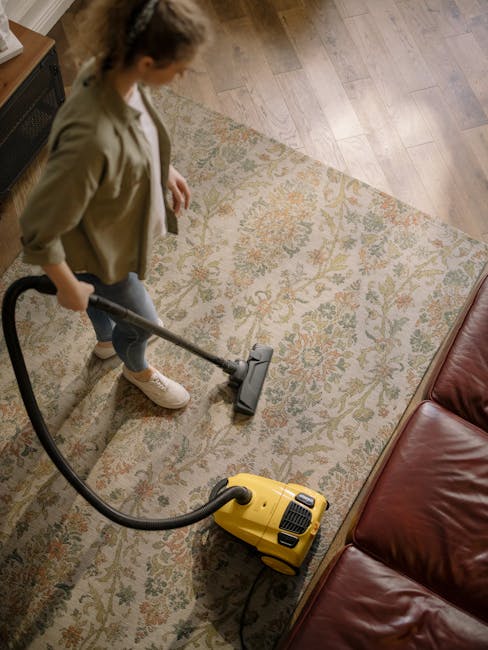
Carpet cleaning on Lavender Hill and Battersea Rise
Posted on 09/08/2026
Carpet cleaning on Lavender Hill and Battersea Rise: a practical local guide
If your carpets on Lavender Hill or Battersea Rise are starting to look a bit tired, you are not alone. London homes pick up everyday wear fast: street dust, pet hair, damp shoes, coffee spills, and that general "lived-in" feel that creeps up quietly. Carpet cleaning on Lavender Hill and Battersea Rise is not just about making fibres look brighter for a day or two. Done properly, it helps protect the carpet, improve indoor freshness, and make the whole property feel looked after again.
This guide breaks down how carpet cleaning works, when it makes sense, what to avoid, and how to choose the right approach for a flat, family home, rental property, or managed home near these busy South West London streets. If you want the bigger picture of services and local cleaning support, you can also browse the services overview and learn more about the team behind the work on the about us page.
Let's make it simple, useful, and local.
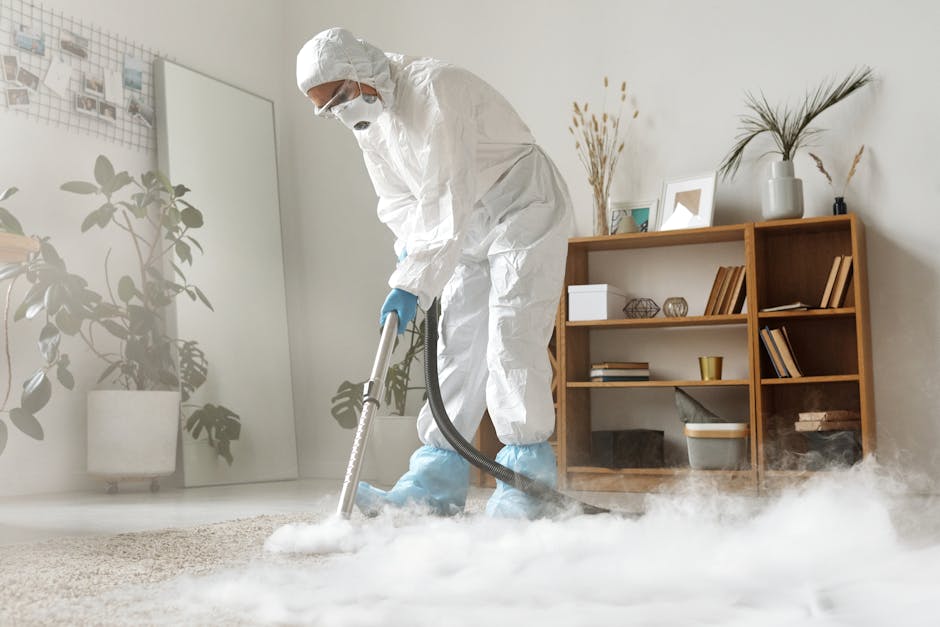
Why Carpet cleaning on Lavender Hill and Battersea Rise Matters
Carpets do more than soften a room. They catch dust, grit, pollen, pet dander, food crumbs, and everyday moisture before you even notice it. On streets like Lavender Hill and Battersea Rise, where homes range from compact flats to larger family properties, carpets often work hard. Entryways collect grit from the pavement, stairs wear unevenly, and living rooms can take a beating from shoes, chairs, and daily traffic.
That matters because dirt does not just sit on the surface. Tiny particles settle deep in the pile and act a bit like sandpaper. Over time, that can make fibres look flattened and dull. Spills can also spread if they are rubbed in the wrong way. And to be fair, once a carpet starts holding on to odours, the room never feels fully clean, no matter how many candles you light. Bit annoying, but very common.
In rental properties, clean carpets can also influence the impression a home makes during inspections, check-outs, or viewings. For owner-occupiers, it is often a simple quality-of-life upgrade. A fresh carpet changes how a room smells, sounds, and feels underfoot. You notice it the moment you step inside.
For anyone comparing options, local carpet care often sits alongside broader cleaning needs such as house cleaning support, domestic cleaning, or a one-off reset through one-off cleaning. The point is not just cleanliness. It is maintaining a home that feels comfortable to live in.
How Carpet cleaning on Lavender Hill and Battersea Rise Works
Carpet cleaning is not one single method. The right approach depends on the carpet material, how dirty it is, how long stains have been there, and how quickly you need the room back in use.
1. Inspection and fibre identification
A proper clean starts with checking the carpet type. Wool, synthetic blends, and delicate natural fibres all behave differently. A good cleaner looks at the pile, the backing, visible wear, and any problem areas before choosing products or heat levels. That step sounds basic, but it saves mistakes later.
2. Dry soil removal
Dry debris is removed first, usually by thorough vacuuming. This step matters more than people think. If grit is left behind, it can turn into a muddy paste during wet cleaning and make the carpet harder to rinse properly.
3. Pre-treatment of spots and traffic areas
Heavily used patches, stair treads, and visible marks are normally treated before the main clean. This might involve a stain treatment or a targeted detergent solution. The aim is to loosen soil without flooding the fibres.
4. Deep cleaning method
Depending on the carpet and condition, a cleaner may use hot water extraction, low-moisture cleaning, or another suitable process. Hot water extraction is common for many domestic carpets because it can flush out embedded grime. Low-moisture methods can be useful when drying time is a priority, or when a carpet is more delicate.
5. Rinsing and moisture control
Once cleaning is complete, residue should be reduced as much as possible. This helps prevent sticky fibres that attract dirt again too quickly. It also makes the room feel fresher rather than merely "wet and cleaned". There is a difference, and you can tell.
6. Drying and finishing
Airflow, temperature, and room use all affect drying. Windows can help, but only if it is sensible for the weather and security. In some homes, a fan or dehumidifier is useful. Fibres may be brushed or groomed at the end to help them dry evenly and look neat again.
Key Benefits and Practical Advantages
People often book carpet cleaning because they want the carpet to look nicer. Fair enough. But the practical benefits usually go further than appearance.
- Better appearance: Colours look clearer, patterns stand out more, and worn traffic lanes can look less obvious.
- Reduced odours: Carpets can trap smells from cooking, pets, shoes, and everyday living.
- Improved indoor freshness: A deep clean can make a room feel lighter and less dusty.
- Longer carpet life: Removing abrasive dirt can slow down visible wear.
- Better presentation for renters and sellers: Clean carpets help a property feel cared for, which is especially useful before viewings or move-outs.
- More comfortable underfoot: Fresh fibres simply feel nicer. It is a small thing until you notice it has gone.
There is also a mental benefit that people rarely mention. A clean carpet reduces visual clutter. Rooms feel calmer. That sounds soft, but it is real. Especially in London homes where space is at a premium and every room has to work hard.
Expert summary: The best carpet cleaning is the one matched to the carpet, the soil level, and the drying time you can actually live with. Not the most aggressive method. Not the cheapest on paper. The right one.
Who This Is For and When It Makes Sense
Carpet cleaning on Lavender Hill and Battersea Rise makes sense for more people than you might think.
Homeowners
If you live locally and have family rooms, stairs, or bedrooms with regular foot traffic, a deep clean can restore comfort and help the carpet last longer. This is especially true if you have children, pets, or a lot of daily movement through the property.
Tenants and landlords
Move-out time is the classic moment for a carpet clean. If the property is being handed back or prepared for new occupants, a thorough clean can help with presentation and reduce arguments over obvious wear versus dirt. For more tenancy-focused local reading, see end-of-tenancy cleaning in Clapham Old Town and the end of tenancy cleaning service page.
Busy professionals
If you work long hours and do not want to spend a Saturday wrestling with a rented machine that leaves everything damp for two days, hiring a professional clean can be the practical choice. Honestly, your weekend is worth something.
Property managers
Managed homes, HMOs, and lets near transport links often need fast turnaround between occupiers. A reliable clean helps keep carpets serviceable and presentable without replacing them too early.
When it really makes sense
- After a spill that has already set in
- Before guests, photos, or a property viewing
- At the end of a tenancy
- After a winter of mud, salt, and wet shoes
- When odours keep returning after vacuuming
- When the carpet looks flat even though it is not actually damaged
If you are still deciding whether you need a deep refresh or a broader reset, the spring cleaning option and the services overview can help you think through the wider picture.
Step-by-Step Guidance
If you are preparing for carpet cleaning on Lavender Hill and Battersea Rise, the process goes more smoothly when you know what to expect. Here is the practical version.
- Clear the area. Move small furniture, toys, baskets, and anything breakable. You do not need to empty the whole room, but access helps.
- Vacuum thoroughly. This is especially important along edges and under visible furniture lines.
- Point out problem areas. Tell the cleaner about old stains, pet accidents, or traffic lanes. The more precise you are, the better the outcome tends to be.
- Check fabric or fibre sensitivity. A wool carpet, for example, should not be treated like a hard-wearing synthetic hallway runner. Obvious, but easy to miss in a rush.
- Choose the method. Match the cleaning system to the carpet's condition and drying window.
- Allow proper drying time. Avoid walking on the carpet too soon. If needed, use clean socks or shoe covers. Nobody wants crisp footprints as a souvenir.
- Finish with ventilation. Open windows where practical, keep airflow steady, and let the pile settle naturally.
A small but helpful note: if you are booking for a flat with limited space, think about access and drying logistics in advance. Tight hallways, awkward stair turns, and no lift can all affect timing. That is not dramatic; it is just London.
Expert Tips for Better Results
Here is where a few simple decisions make a real difference.
- Treat spills early. Fresh marks are easier to remove than old, dried-in ones. Blot, do not scrub.
- Do not soak the carpet. More water is not automatically better. Excess moisture can lengthen drying time and leave residue behind.
- Match the method to the fibre. Wool, synthetic, and blended carpets are not all the same. The cleaner should know that, and you should ask if you are unsure.
- Vacuum regularly after the clean. This helps the pile stay upright and reduces dust build-up.
- Use mats at entrances. A simple mat can reduce grit being dragged in from Lavender Hill pavements and Battersea Rise foot traffic.
- Plan cleaning around weather. A dry, breezy day is generally easier for drying than a damp one. Common sense, yes, but worth saying.
- Ask about drying expectations before the job starts. Not after, when the room is half blocked off and you are trying to cook dinner around a wet lounge.
If you want to protect soft furnishings as well, it can be useful to think about the whole room. For example, the article on washing velvet curtains is a good reminder that different fabrics need different care. Carpets are similar in that respect.

Common Mistakes to Avoid
Most carpet problems after cleaning come from a handful of avoidable mistakes.
- Scrubbing stains aggressively. This can spread the mark and rough up the fibres.
- Using too much detergent. Leftover solution attracts dirt and can make carpets look worse again quickly.
- Ignoring fibre type. A delicate carpet can shrink, distort, or discolour if treated too roughly.
- Leaving spills too long. The longer they sit, the more they bond with the pile.
- Walking on the carpet too soon. That can flatten damp fibres and re-soil the surface.
- Only cleaning the visible area. Half-cleaning a room can leave an obvious ring or patchy finish. Not ideal.
A quieter mistake is forgetting the traffic pattern. Hallways, sofa fronts, and bed sides get dirty in a different way from open areas. If those zones are treated the same as the whole room, results can feel uneven.
Tools, Resources and Recommendations
You do not need a warehouse of equipment to keep carpets in good shape, but a few sensible tools help.
Useful tools for ongoing care
- Quality vacuum cleaner: One with decent suction and a brush setting for pile care.
- Microfibre cloths: Best for blotting spills gently.
- White paper towels: Handy for first-response spill control.
- Entrance mats: Cheap compared with replacing worn carpet edges later.
- Fan or dehumidifier: Useful in cooler months, especially if you need the room back fast.
What to ask a cleaning provider
- Which method they plan to use
- How long drying should take in your specific property
- Whether the product is suitable for your carpet type
- What they recommend for old stains or pet areas
- How they handle access, parking, and preparation in busy local streets
For a broader view of cleaning categories, you may also find the carpet cleaning service page useful, along with the company's pricing and quotes page if you are comparing budgets. If security and trust matter to you, the insurance and safety information is worth a look too.
Law, Compliance, Standards, or Best Practice
Carpet cleaning is not usually a heavily regulated household activity in the way some trades are, but there are still important standards of care and good practice to follow.
First, any professional cleaner should work safely, avoid unnecessary chemical exposure, and use products appropriately. In practical terms, that means reading product guidance, protecting surfaces, and not leaving slippery floors or soaked carpets without warning. If pets, children, or vulnerable people live in the home, safer product selection matters even more.
Second, landlords and tenants should remember that cleaning expectations during a move-out are often tied to the condition the carpet was in at the start, allowing for fair wear and tear. That sounds simple, but in real life it can get messy. Records, inventory notes, and photos help. They are not glamorous, but they save headaches.
Third, any cleaner entering your home should respect basic privacy, property care, and health-and-safety standards. That includes securing cables, reducing trip risks, and handling furniture carefully. If you want to understand a company's general approach to policies and procedures, the health and safety policy, terms and conditions, and privacy policy pages are there for a reason.
Finally, the best practice is straightforward: choose the least aggressive method that still gets the carpet properly clean. That protects the fibres, dries faster in many cases, and usually gives a better finish over time.
Options, Methods, or Comparison Table
Different carpets need different approaches. Here is a simple comparison to help you think it through.
| Method | Best for | Advantages | Watch-outs |
|---|---|---|---|
| Hot water extraction | Many domestic carpets with embedded soil | Deep clean, strong soil removal, good for freshening rooms | Needs sensible drying time; not ideal for every fibre |
| Low-moisture cleaning | Situations where fast drying matters | Quicker turnaround, less disruption | May be less effective on severe contamination |
| Spot treatment only | Small, recent stains | Fast and targeted | Does not refresh the whole carpet |
| Vacuum-only maintenance | Routine upkeep | Simple, cheap, prevents build-up | Won't remove deep dirt or odours |
The right choice depends on what problem you are solving. A hallway carpet with tracked-in grit is not the same job as a bedroom carpet with one fresh spill. This is where a decent cleaner earns their keep.
Case Study or Real-World Example
Imagine a two-bedroom flat near Battersea Rise with a cream living-room carpet and a narrow hallway. The homeowner has been vacuuming regularly, but the traffic lane by the sofa looks grey, and there is a faint smell from an old drink spill that never quite disappeared.
Rather than going straight in with a heavy, all-over soak, the cleaner inspects the fibres first, treats the traffic lane, works on the stain separately, and uses a method that balances cleaning power with drying time. The hallway gets extra attention because that is where grit has built up over winter. The room is then ventilated properly, and the homeowner avoids putting furniture back too soon.
The result is not some miracle transformation into a showroom. That would be a bit unrealistic. But the carpet looks brighter, the room feels fresher, and the smell has gone. More importantly, the carpet now has a better chance of lasting longer before replacement becomes a serious conversation.
That is usually what good carpet care looks like in real homes: practical improvement, not perfection theatre.
Practical Checklist
Use this checklist before and after carpet cleaning on Lavender Hill and Battersea Rise.
- Vacuum thoroughly before the clean
- Remove small items, fragile objects, and loose clutter
- Point out stains, pet areas, and high-traffic zones
- Confirm the carpet fibre type if you know it
- Ask how long drying is likely to take
- Keep windows or airflow options in mind
- Avoid walking on damp carpet too early
- Do not scrub spots with a hard brush
- Use mats to reduce future dirt at entrances
- Plan follow-up vacuuming once the carpet is fully dry
And if you are pairing carpet care with a broader clean, it can help to look at complementary services like spring cleaning or one-off cleaning so the rest of the property feels just as fresh as the floor.
Conclusion
Carpet cleaning on Lavender Hill and Battersea Rise is one of those jobs that seems small until you do it properly. Then the room feels different. Cleaner. Calmer. More lived-in in the best way, not the dusty way. Whether you are preparing for guests, managing a tenancy, or simply trying to make your home feel nicer again, the right carpet care can make a surprisingly big difference.
The key is to choose a method that suits the carpet, handle stains early, and avoid the common mistakes that leave fibres sticky, patchy, or over-wet. Keep the process practical, and the results usually speak for themselves.
If you are comparing service options or want to see what else may help your property feel properly looked after, explore the wider cleaning services and local guidance available on the site. Small improvements add up.
Get a free quote today and see how much you can save.