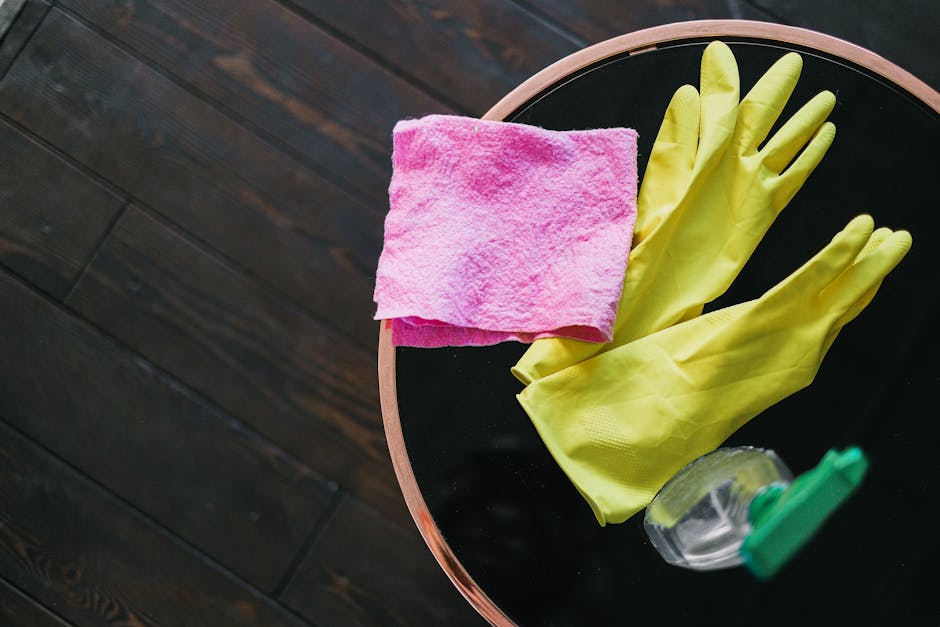
Clapham Common flat cleaning guide for landlords SW4
Posted on 21/06/2026
If you let a flat near Clapham Common, you already know the cleaning standard can make or break the handover. A good tenancy ends with a flat that feels fresh, smells clean, and looks cared for; a poor one ends with awkward emails, disputed deposits, and a lot of back-and-forth that nobody wants. This Clapham Common flat cleaning guide for landlords SW4 is designed to help you keep things simple, professional, and fair - whether you manage one property or a small portfolio.
In practice, the difference between "clean enough" and "properly ready for market" is usually about systems, not luck. You need a repeatable process, a sharp eye for the details tenants miss, and a sensible approach to anything that might become a complaint later. Let's face it, the last thing you need is to turn up for check-out and find an oven that looks like it has been through a small war.
This guide covers what matters, how the process works, where landlords usually go wrong, and when it makes sense to bring in professional help. If you also want a broader look at property and local context, the site's Clapham property market insights and Is Clapham ideal for you? pieces are useful background reading.
Why Clapham Common flat cleaning guide for landlords SW4 Matters
Landlords in SW4 are often dealing with fast turnaround times, shared buildings, and tenants who expect a clean, modern, well-kept home. That is especially true around Clapham Common, where flats tend to see frequent movement between young professionals, sharers, and couples. A flat that is spotless on move-in day creates confidence straight away. A flat that is dusty, greasy, or half-done creates suspicion before the tenancy has even started.
Cleaning matters for three reasons. First, it protects the condition of the property. Dirt left behind after a tenancy can become permanent damage if it sits too long. Second, it supports rentability. A clean flat photographs better, shows better, and feels worth the asking price. Third, it helps reduce disputes. If a tenant leaves the flat in poor condition and you have a clear, documented cleaning standard, the conversation is much easier to manage.
There is also the human side. New tenants notice the little things the moment they walk in. The smell in the hallway. Finger marks on the oven handle. Dust on skirting boards. A clean flat says, quietly but clearly, that the landlord pays attention. That tends to pay back later, even if it sounds obvious.
Expert summary: for SW4 landlords, the goal is not "surface tidy." The goal is a repeatable standard that protects the property, supports deposit discussions, and helps the flat feel genuinely ready for the next occupant.
For landlords who prefer to keep broader maintenance organised, the site's services overview gives a helpful sense of the types of cleaning support available across different property needs.
How Clapham Common flat cleaning guide for landlords SW4 Works
A landlord cleaning process should be treated as a sequence, not a scramble. You start with inspection, move into cleaning priorities, and finish with a final check that tests the rooms from a tenant's point of view. Simple in theory. Slightly fiddly in reality, especially when you are trying to fit everything between check-out, new keys, and a tradesperson arriving "sometime this afternoon".
The process usually begins with a walkthrough. You identify what is general dirt, what is wear and tear, and what may need separate attention. After that, you clean in the right order: dust first, then surfaces, then floors, then final detail work. If you skip the sequence, you end up cleaning the same space twice. Nobody enjoys that. Not even remotely.
In a typical Clapham Common flat, the highest-impact areas are the kitchen, bathroom, entryway, and floors. These are the rooms people remember. They are also the places where grease, limescale, mould, pet hair, and street dust show up fastest. One overlooked extractor hood can make a flat feel stale even if the rest is pretty decent.
When a property needs a deeper reset rather than a simple turnover clean, many landlords choose a one-off approach. In that case, one-off cleaning or a more structured spring cleaning style service can be a sensible option, especially if the flat has been vacant for a while or has had a heavy tenancy.
Key Benefits and Practical Advantages
There is a straightforward reason experienced landlords take cleaning seriously: it saves time later. A properly cleaned flat is easier to inspect, easier to market, and easier to hand over. You spend less time dealing with cosmetic issues and more time focusing on occupancy, rent, and maintenance planning.
The practical benefits are worth spelling out:
- Better first impressions: a clean flat looks brighter, more spacious, and more cared for.
- Smoother check-in: tenants are less likely to raise avoidable complaints on day one.
- Lower dispute risk: a clear standard helps when you compare check-in and check-out condition.
- Longer-lasting fixtures: regular deep cleaning helps prevent grease build-up, staining, and premature wear.
- Better rental presentation: photographs and viewings feel more professional.
There is also a subtle commercial benefit. In a competitive rental market, presentation is part of pricing power. Not the only thing, obviously, but part of it. A clean bathroom with bright grout, a kitchen without old odours, and carpets that do not look tired can all help the property feel a notch more desirable.
If upholstery, curtains, or fabric furnishings are part of the flat, these details matter too. A landlord who manages soft furnishings carefully avoids the "looks clean but still feels a bit off" problem. The guide on washing velvet curtains and keeping them luxurious is a good example of how a single material can change the whole feel of a room.
Who This Is For and When It Makes Sense
This guide is for landlords who want a practical system, not just a vague idea that "someone should clean the flat." It is especially useful if you own a buy-to-let in Clapham Common, self-manage a rental in SW4, or handle end-of-tenancy handovers between professional cleaning teams and incoming tenants.
It also makes sense for:
- Accidental landlords who need a clear process without becoming full-time property managers.
- Portfolio landlords who want consistency across several flats.
- Letting agents who need a reliable standard before listings or inspections.
- Private landlords preparing a flat for re-let after a long tenancy or refurbishment.
Timing matters. If the flat has been empty for weeks, dust settles in odd places - behind radiators, around window tracks, on top of kitchen cabinets. If the tenant has just moved out after a busy few months, the issue is usually heavier soil: bathroom scale, oven residue, marks on walls, and flooring that needs more than a quick sweep.
To be fair, not every property needs the same level of effort. A well-kept studio between tenancies is a different job from a three-bed flat with shared occupancy and a lot of daily kitchen use. You need to match the clean to the condition, not the calendar alone.
Step-by-Step Guidance
Here is a practical sequence you can follow for most flats near Clapham Common. It is simple, but it works.
- Inspect the property carefully. Start with natural light if possible. Open blinds, check corners, look at skirting boards, and note anything that looks worn, damaged, or unusually dirty.
- Separate cleaning from repairs. Cleaning is not the same as maintenance. A stain may clean off; a cracked tile will not. Make a note of both so nothing gets muddled.
- Remove loose debris first. Bags, rubbish, old tenant items, and dust all need to go before you start detailed work.
- Clean top to bottom. Shelves, ledges, cabinet tops, then surfaces, then floors. That way, dust falls down onto areas you have not finished yet.
- Focus on kitchen hygiene. Degrease cooker hoods, wipe inside cupboards, clean the oven if needed, sanitise handles, and check the sink and taps.
- Reset the bathroom properly. Remove limescale, clean the toilet base and behind it, scrub grout, polish glass, and wash any residue from taps and tiles.
- Refresh soft-touch areas. Hoover carpets, clean under furniture where possible, and deal with upholstery marks or pet hair.
- Finish with details. Light switches, sockets, doors, handles, mirrors, window sills, and internal glass often decide whether the property feels finished or not.
- Ventilate and re-check. Open windows if weather allows, let smells clear, and walk through as if you were seeing the flat for the first time.
A tiny but useful trick: view the flat from the doorway of each room. It changes your perspective. You immediately spot what a new tenant will notice first, and that is usually where the cleaning standard should be highest.
Expert Tips for Better Results
In our experience, the best landlord cleaning outcomes come from consistency and restraint. Not every surface needs heavy chemical treatment. Not every mark needs scrubbing like you are trying to erase history. Start gently, test properly, and escalate only if needed.
Here are a few tips that make a real difference:
- Use a room order and stick to it. Kitchens and bathrooms first, then living spaces, then bedrooms, then floors.
- Leave fragrance subtle. A clean smell is good; a strong artificial smell can make tenants suspicious.
- Photograph before and after. This helps with records, inventory discussions, and your own standards.
- Don't ignore neglected spots. Behind toilets, under radiators, and above cupboards are classic trouble zones.
- Think like a viewer. If a person entered the flat for ten minutes, what would they notice immediately?
One of the more common mistakes is trying to clean in a rush after keys are returned. That usually leads to shortcuts, and shortcuts show. A better approach is to plan for enough time and, if necessary, book support early. If you are comparing types of support, the domestic cleaning option can suit ongoing upkeep, while a more intensive deep cleaning style approach is better when the flat needs a reset.
If you manage several properties, it can also help to create a short "standard finish" note for yourself. Nothing fancy. Just a few lines on what good looks like in your flats. That way, you are not reinventing the wheel every time.
Common Mistakes to Avoid
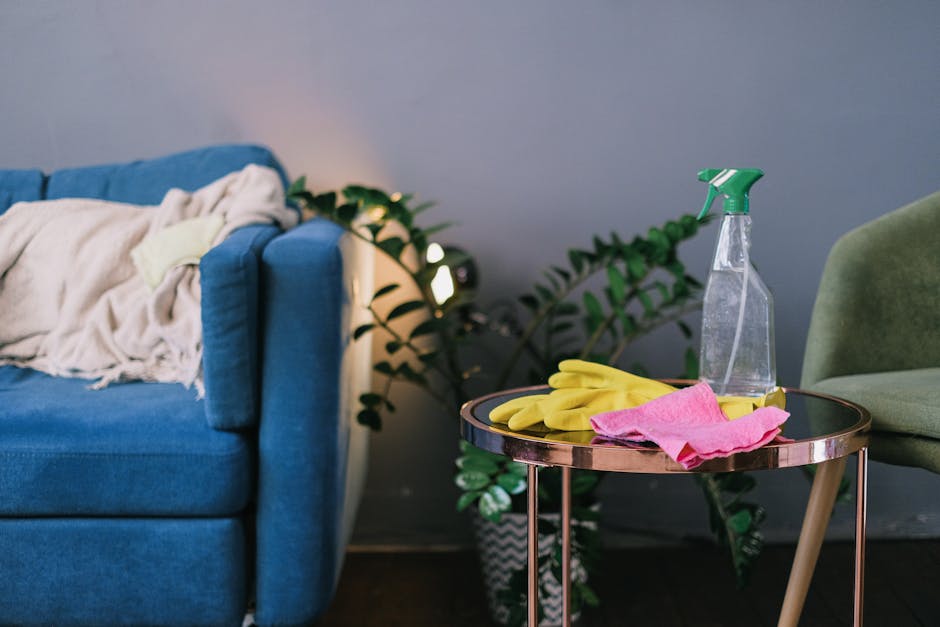
Even experienced landlords slip up here. Usually it is not because they do not care, but because they are juggling too much at once. Still, some errors come up again and again.
- Only doing a surface clean. The visible areas look fine, but inside cupboards, around appliances, and under furniture tells another story.
- Mixing cleaning with repairs. If something is damaged, note it separately. Cleaning cannot solve everything.
- Forgetting odours. A flat may look clean but still smell damp, greasy, or stale.
- Ignoring limescale and hard-water marks. These are especially noticeable in bathrooms and kitchens.
- Skipping the final walkthrough. This is the bit that catches missed details.
- Not documenting the condition. Good records save arguments later, plain and simple.
Another easy trap is assuming a tenant's "quick tidy" means the flat is ready. It rarely does. A tidy room can still hide grime in the corners, dust on skirting boards, or a hob that needs a proper degrease. It looks okay at a glance, but not when you lean in. And you should lean in.
Tools, Resources and Recommendations
You do not need a huge kit to keep a landlord clean effective. You do need the right basics and a sensible approach to each area of the property.
| Area | What to use | What to watch for |
|---|---|---|
| Kitchen | Degreaser, microfibre cloths, oven cleaner if suitable, non-abrasive pads | Built-up grease, hidden crumbs, inside cabinet edges |
| Bathroom | Limescale remover, grout brush, cloths, glass cleaner | Scale on taps, mould in sealant, residue on glass |
| Floors | Vacuum, mop, suitable floor product, spot cleaner for marks | Edges, corners, under radiators, pet hair |
| Living areas | Dusting tools, upholstery brush, vacuum attachments | Skirting boards, lamps, shelves, soft furnishings |
| Bedrooms | Vacuum, dusting cloths, mattress spot treatment if needed | Wardrobe tops, behind beds, bedframe dust |
If fabric items are giving you trouble, it may be worth considering specialist help rather than DIY guesswork. For instance, heavy curtains, sofas, or occasional chairs can hold on to smells and dust in a way that a quick surface clean will not solve. That is where upholstery cleaning becomes relevant, especially in furnished flats.
You can also make life easier by using a structured service approach for repeat work. A regular house cleaning schedule can keep occupied properties from drifting into the kind of condition that demands emergency effort later. Not glamorous, perhaps. Very effective though.
Law, Compliance, Standards, or Best Practice
Landlord cleaning is not just about appearance. It sits alongside wider duties around property condition, tenant safety, and fair handover practice. Without turning this into a legal lecture, the sensible rule is simple: keep clear evidence of condition, avoid confusing normal wear and tear with avoidable dirt, and make sure the property is safe and reasonably clean at every changeover.
Best practice usually includes:
- Pre-tenancy and post-tenancy records with dated photos.
- Inventory alignment so the cleaning standard matches what was agreed at the start.
- Safe product use especially around carpets, fabrics, and sealed surfaces.
- Good ventilation after cleaning, particularly where strong products are used.
- Care around health and safety if working at height, using electrical equipment, or handling sharps and broken items.
If you are hiring a cleaning provider, it is sensible to look at how they handle safety, insurance, and working practices. The pages on insurance and safety and health and safety policy are useful for understanding the kind of standards a professional outfit should be prepared to discuss. It is also worth checking the terms and conditions so everyone knows what is included and what is not.
In some cases, landlords also want a clearer line between routine cleaning and specialist turnaround work. That is where a formal end of tenancy cleaning service can be more suitable than ad hoc effort, especially when time is tight or the property needs a documented level of finish.
Options, Methods, or Comparison Table
Different flats need different approaches. A compact, lightly used flat does not need the same treatment as a furnished family home with carpets, soft furnishings, and lots of footfall. The aim is to match the method to the property and the situation.
| Method | Best for | Pros | Limitations |
|---|---|---|---|
| Routine clean | Occupied flats needing ongoing maintenance | Quick, affordable, keeps standards steady | Not enough for heavy end-of-tenancy dirt |
| One-off deep clean | Vacant flats or properties needing a reset | More thorough, tackles hidden build-up | Takes longer and costs more than routine work |
| End-of-tenancy clean | Handover between tenants | Focused on move-in readiness and presentation | Needs good timing and clear scope |
| Specialist carpet or upholstery cleaning | Furnished flats, stained carpets, odours | Targets fabrics and flooring properly | Not a substitute for full property cleaning |
There is no universal "best" option. That is the honest answer. A landlord preparing a flat after a long tenancy might need the full package; another landlord with a well-maintained studio may only need a targeted refresh. If you are unsure, the broader carpet cleaning service can be useful when flooring is the main thing lowering the property's appeal.
Case Study or Real-World Example
Imagine a two-bedroom flat near Clapham Common that has just been vacated after a year and a half. At first glance, it looks acceptable. The surfaces are clear, the bins are empty, and the rooms are still bright. But the kitchen tells another story. The hob has baked-on marks, the extractor fan has a greasy film, and one cupboard smells faintly of old spices and cardboard. In the bathroom, limescale has built up on the shower screen, and the sealant around the bath has gone a little tired.
If a landlord rushes this property back to market, they may get away with it short term. But the first viewing will still register the small problems. The flat may not feel fully ready. By contrast, if the landlord takes a structured cleaning approach - kitchen first, bathroom next, then carpet vacuuming, then detail work - the property presents like it has had a proper reset. The difference is not dramatic on paper. In person, though, it is obvious.
A similar thing happens with furnished lettings. A sofa with lightly soiled arms, a rug with traffic marks, or curtains holding onto cooking smells can drag the whole room down. If that sounds familiar, you may want to pair the clean with broader upkeep from the Clapham's premier party spots article's context, because properties that see heavy social use often need more attention than landlords first expect. Different lifestyle, different cleaning reality. Simple as that.
Practical Checklist
Use this quick checklist before you hand over a flat or list it for the next tenant. It is not fancy, but it is very effective.
- Rubbish removed and all personal items cleared out
- Kitchen degreased, including hob, extractor, sink, and handles
- Oven cleaned or inspected for professional cleaning if needed
- Bathroom scrubbed, descaled, and dried properly
- All mirrors, glass, and taps polished
- Skirting boards, ledges, and corners dusted
- Floors vacuumed and mopped or professionally treated
- Soft furnishings checked for stains, odours, or pet hair
- Light switches, sockets, doors, and handles wiped down
- Windowsills, tracks, and vents checked
- Final walkthrough completed in good light
- Before-and-after photos saved for records
If you want a more formal cleaning setup for recurring property care, the broader real estate wisdom and property insights content on the site can help you think about maintenance as part of asset protection, not just an occasional chore.
Conclusion
A strong landlord cleaning routine in Clapham Common is really about control. Control over standards, over presentation, over the handover process, and over the small details that can snowball into bigger issues if they are ignored. You do not need to overcomplicate it. You just need a method, a checklist, and enough care to notice what others miss.
For SW4 landlords, that usually means focusing on kitchens, bathrooms, flooring, soft furnishings, and the final walkthrough. It also means being honest about when a job is beyond a quick tidy. Sometimes a property needs a deep clean. Sometimes it needs specialist support. And sometimes it just needs someone to pay attention, properly, for once.
For a local landlord, that attention to detail can make tenancy changes calmer, faster, and far less stressful. Which is worth quite a lot, really.
Get a free quote today and see how much you can save.
For more about the team behind the service, you can also explore the about us page and the latest updates on the blog.